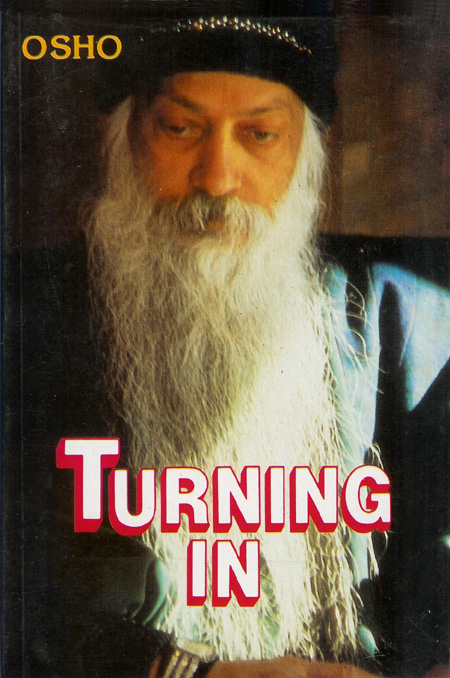
Turning In
Discourses
Table of Contents
The absolute host
The absolute host. Ryusui: Emptiness is a name for nothingness, for mountains, rivers, the whole earth. In the green of pines, the twist of brambles, there is no going or coming. Joy, anger, love, pleasure are beginningless delusion. Enlightenment is your very nature—consciousness is what you are built with. This body is not you, this mind is not you. The watcher is your reality. God is nowhere—read differently: God is now here. The absolute host: when sleeping, just sleeping—no past or future.
Morality: nothing but delusion
Morality: nothing but delusion. Eno: Sitting meditation does not concern the mind nor purity. The mind is of itself delusion—there is nothing to be seen. Man's nature is originally pure; false thoughts obscure it. If you activate mind to view purity, you produce delusions of purity. One who practices steadfastness does not see the faults of people everywhere. Morality and religion are different—morality looks at actions, religion looks at being. Krishna arguing Arjuna into war: sometimes good does immense harm. Morality is nothing but delusion when it replaces awareness.
Go on unconcerned
Go on unconcerned. Rinzai: What is the use of catching a dream, a flower in the sky? Only the one who is now present here, listening. All troubles exist because you are mindful of them. If you don't differentiate and grasp appearances, you will realize Tao in an instant. Better to be ordinary—wear your robe, eat your rice. Those who sit in meditation to arrest thoughts hate disturbance and seek quiet—this is the way of heretics. Dhyana (not concentration, contemplation, or meditation) is the fourth state: turning in. Go on unconcerned.
Enlightenment is the way to extinction
Enlightenment is the way to extinction. Daikaku: Even if you don't become enlightened, when you sit once in meditation, you are a buddha for that sitting. Practicing without any sense of attainment is transcendental wisdom. To practice virtue hoping for reward is the illusion of ordinary folk. Enlightenment is the way to extinction: if you take peace and quiet to be bliss, all things are afflictions; when enlightened, all things are enlightenment. Don't try to stop thought by thought—birth and death continue. The mind is discrimination; Zen brings you to pure watching.
Meditation, the method of great liberation
Meditation, the method of great liberation. Daikaku: Sitting meditation is the method of great liberation; all teachings flow from this. All buddhas have entered and left by this door. Meditation is the inner no-mind of the enlightened ones; discipline is their outer character; doctrine is their speech. Your own no-mind and the enlightened no-mind are one. If you don't know your own no-mind, on whom can you call for witness? Zen does not preach any discipline, any doctrine, any practice. Just sit—the dust settles, the crystal-clear water reflects the full moon.
Underlying great doubt there is great satori
Underlying great doubt there is great satori. Hakuin: Examine yourself as urgently as saving your head were it ablaze. Be as hostile to verbal teachings as toward a deadly enemy. In Zen, he who does not bring strong doubt to bear on koans is a good-for-nothing. 'Underlying great doubt there is great satori.' The man who lost gold in the marketplace—pushes through the crowd, weeps, searches. Is your inherent Tao worth less than two or three pieces of gold? Zen is the only revolutionary religion—all others are based on belief. Truth has to be experienced, not believed.
Nothingness is your original face
Nothingness is your original face. Bankei: What I tell people is nothing special—the unborn, enlightened no-mind innate in everyone. You hear dogs bark, crows caw—you know without thinking. Even if a thousand people say a dog's bark is a crow's caw, you won't be deceived. Self-importance is the root of all confusion. People are born with no bad thoughts—as they grow, they learn bad things, piling them into mental habits. Nothingness is your original face: the unborn no-mind that hears, sees, knows—before conceptual discrimination begins.
Fulfilling buddhahood right where you are
Fulfilling buddhahood right where you are. Daikaku: Those who hear this teaching, even if they don't believe, have blessings greater than gods. How to rest the mind? The no-mind has no attachment to appearances. Sit cross-legged, eyes half-open, watching the tip of the nose. See all compounded things as dreams, illusions, bubbles, shadows. If eyes are fully open, the mind is distracted; if closed, you fall into darkness. Eyes half-open—thoughts don't race; mind and body are one thusness. Fulfilling buddhahood right where you are: not somewhere else, not in the future—here and now.