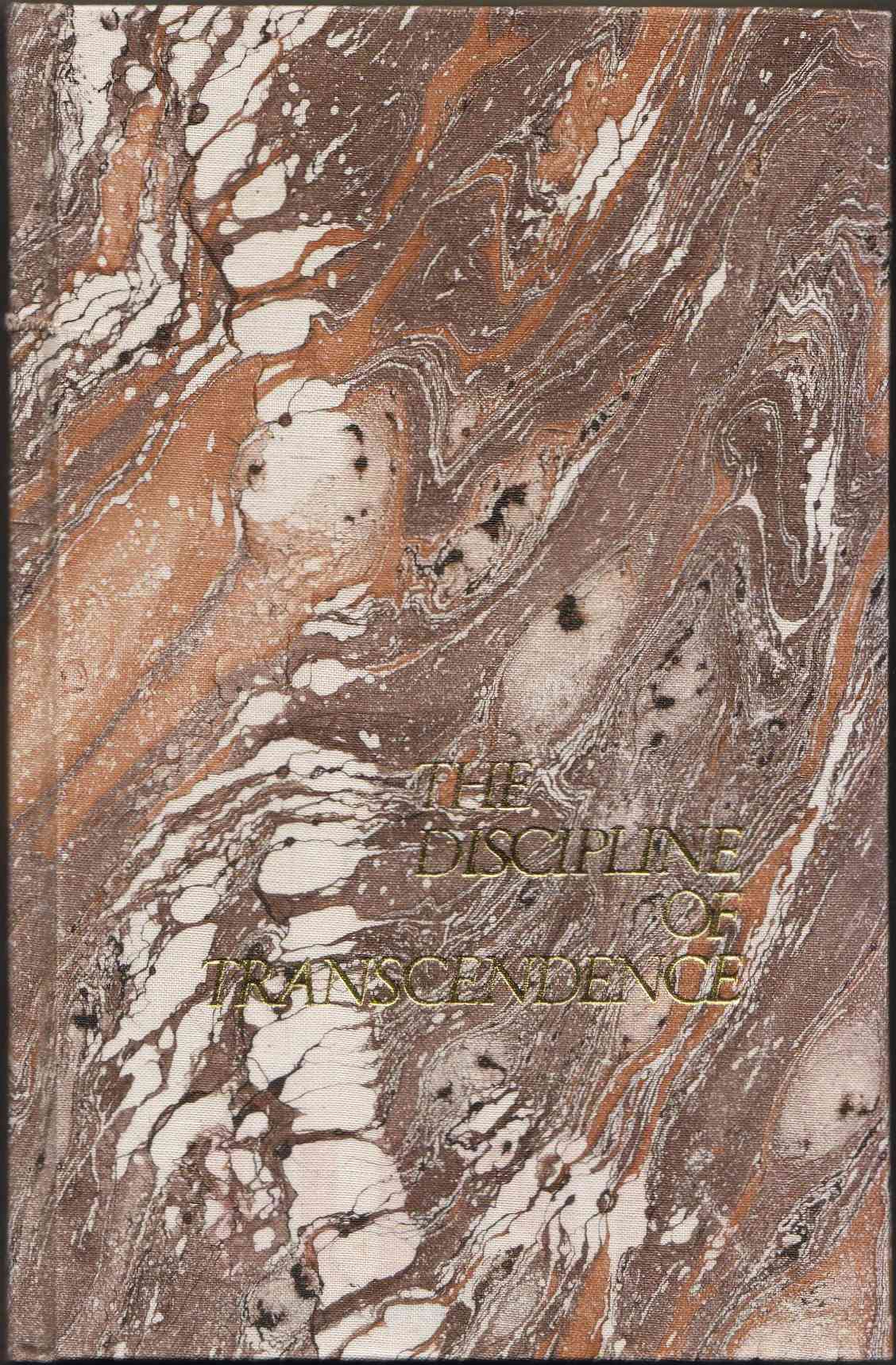
The Discipline of Transcendence, Vol 2
Discourses
Table of Contents
The challenge of the buddha
The challenge of the buddha. Buddha: 'Twenty difficult things in this world—it is difficult for the poor to practice charity, for the rich to observe the way.' The challenge of the buddha: the path is difficult—not because it's complex but because it goes against the grain. The poor can't give, the rich can't surrender. The challenge is for everyone—no one is exempt.
Happy for no reason
Happy for no reason. The Buddha on happiness that depends on nothing. Happy for no reason: the highest happiness is causeless. Caused happiness is misery—when the cause goes, the happiness goes. Causeless happiness stays because it depends on nothing. You don't need reasons to be happy—just awareness.
In accord with the way
In accord with the way. To live in accord with the way is to flow with existence. In accord with the way: not following rules but following nature. The way is not a road—it's a river. Don't swim against it—float. Accord means harmony with what is, not struggle for what should be.
The Blessed One
The Blessed One. The Buddha describes the qualities of the awakened one. The Blessed One: not blessed by someone but blessed by being—blessed from within. The blessed one has no desires, no fears, no attachments. He's blessed not because he has much but because he needs nothing.
A light unto yourself
A light unto yourself. 'Meekness is most powerful. A mind thoroughly cleansed of dirt is most illuminating.' A light unto yourself: don't look to others for your light. Be your own lamp. Meekness is power because it harbors no evil. The clean mind illuminates all—it sees everything because nothing distorts its vision.
My blessings with you
My blessings with you. The Buddha's blessing is not a gift but a transmission of being. My blessings with you: the master's blessing is not in words—it's in presence. When the master blesses, he shares his consciousness. The blessing works when the disciple is open. Don't ask for blessings—be available to them.
Reflections of emptiness
Reflections of emptiness. The world reflects your inner state—empty within and the world is empty. Reflections of emptiness: when the mind is empty, the world reflects that emptiness. Not blank but full—full of being. The empty mirror reflects all without grasping. Emptiness is the highest capacity.
A distant star
A distant star. The light of a distant star takes eons to reach us—like enlightenment. A distant star: the star of enlightenment is far when seen through the mind. But through awareness, it's closer than your breath. The distance is not in space but in consciousness. Cross the distance not by traveling but by awakening.
The discipline beyond discipline
The discipline beyond discipline. The ultimate discipline is no discipline—when practice becomes natural. The discipline beyond discipline: first you practice, then the practice drops. Like learning to walk—you don't practice walking, you just walk. The ultimate discipline is so natural it doesn't feel like discipline. Transcendence of transcendence.
A hollow bamboo
A hollow bamboo. 'Can one live in the world in enlightenment?' Yes—like a hollow bamboo. A hollow bamboo: the enlightened one is empty inside—existence flows through. Activity continues but no actor. Functioning continues but no one functioning. The hollow bamboo makes music because it's empty—the enlightened one lives because he's not.
Spiritual enlightenment
Spiritual enlightenment. The culmination of transcendence—enlightenment itself. Spiritual enlightenment: not spiritual experience but spiritual being. Not something that happens to you but something you ARE. The discipline of transcendence ends where it begins—you. Not a new you but the original you, uncovered, recognized, lived.